
Introduction
Industrial machinery depends on precision, efficiency, and reliability to maintain continuous production and operational stability. Even small mechanical inaccuracies can reduce machine performance, increase downtime, and raise maintenance costs. This is why industries across manufacturing, automotive, aerospace, textile, and heavy machinery sectors rely heavily on precision bearings.
A trusted precision bearings manufacturer provides high-quality bearings designed with exact tolerances, smooth rotational accuracy, and long operational life. These bearings play a crucial role in reducing friction, controlling vibration, and supporting high-speed industrial applications.
This guide explains why precision bearings are important, how they improve industrial performance, and what businesses should consider when selecting a precision bearings manufacturer.
You can also read our guide on Bearing Supplier India: How to Choose the Right Industrial Partner.
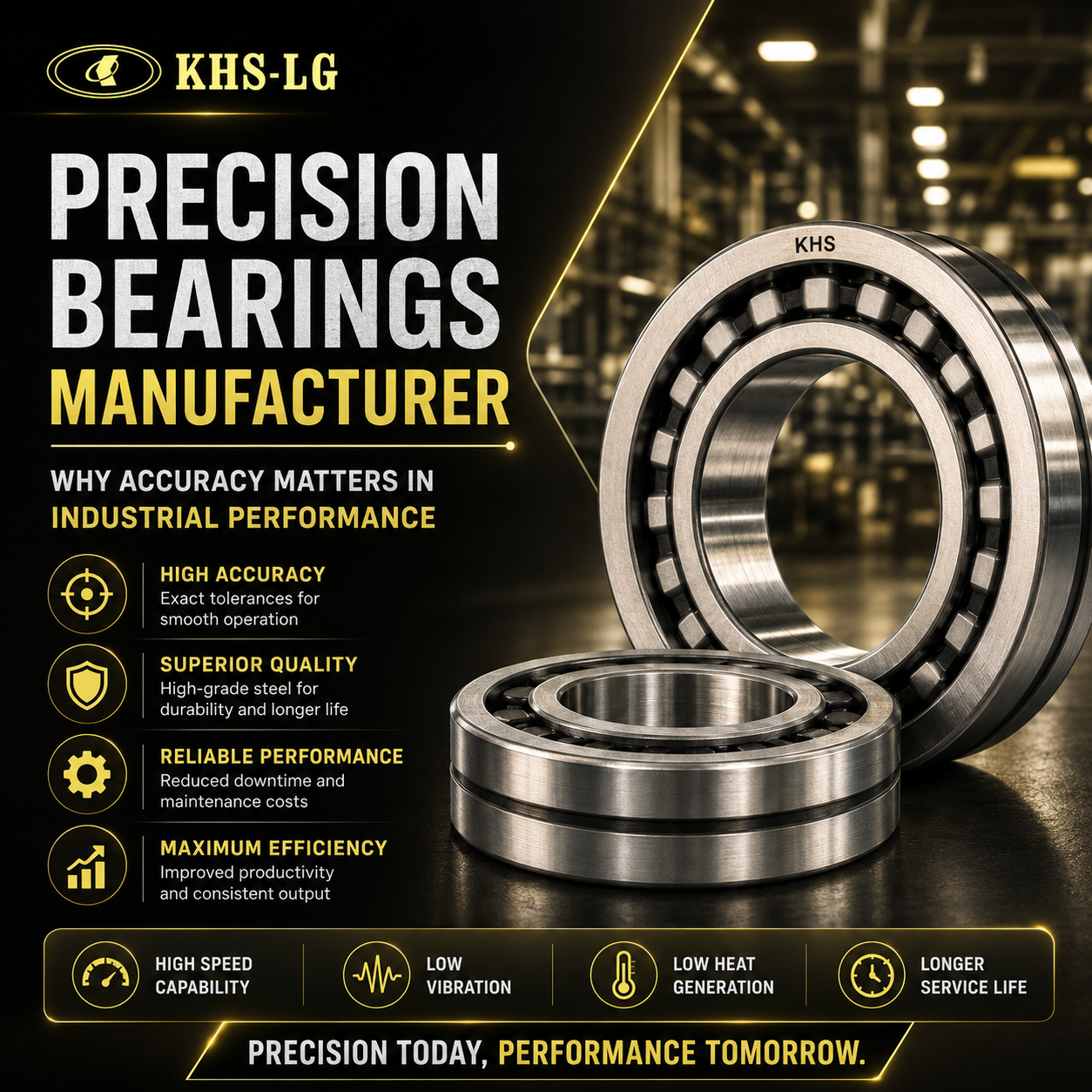
What Are Precision Bearings?
Precision bearings are specially engineered bearings manufactured with extremely accurate dimensions and tight tolerances. They are designed for applications where smooth movement, low vibration, and consistent rotational accuracy are essential.
Unlike standard bearings, precision bearings are built for:
- High-speed applications
- Accurate shaft alignment
- Reduced friction
- Better load distribution
- Stable machine operation
These bearings are commonly used in advanced industrial equipment where even small errors can affect productivity
Why Accuracy Matters in Industrial Performance
Industrial systems operate continuously under demanding conditions. Inaccurate components can create vibration, excessive heat, and uneven load distribution.
Benefits of High Accuracy Bearings
- Improved machine efficiency
- Reduced energy loss
- Better rotational stability
- Lower vibration and noise
- Longer machine lifespan
- Reduced maintenance requirements
A reliable precision bearings manufacturer ensures consistent engineering quality to maintain industrial performance.
How Precision Bearings Improve Machine Efficiency
Reduced Friction
Precision bearings minimize internal resistance between moving components, helping machines run smoothly and efficiently.
Better Load Handling
These bearings distribute radial and axial loads more evenly, reducing stress on machinery parts.
Improved Rotational Accuracy
Precision-engineered bearings maintain shaft alignment and improve motion control in industrial systems.
Lower Heat Generation
Reduced friction results in lower operating temperatures, improving bearing life and machine reliability.
Industries That Depend on Precision Bearings
Manufacturing Industry
Production systems, conveyors, and automated machinery require precise rotational movement for continuous operation.
Automotive Industry
Automotive systems use precision bearings in engines, wheel hubs, gearboxes, and steering assemblies.
Aerospace Applications
Aircraft systems require extremely accurate and reliable bearings for safety and performance.
Textile Machinery
High-speed textile equipment depends on precision bearings for smooth and vibration-free operation.
Heavy Machinery
Construction and industrial machines rely on durable bearings capable of handling high loads with precision.
You may also read: Top Uses of Taper Roller Bearings in Heavy Machinery and Industrial Equipment.
Key Features of High-Quality Precision Bearings
Tight Manufacturing Tolerances
Precision bearings are manufactured with exact measurements to improve consistency.
Superior Material Quality
High-grade steel and advanced manufacturing processes improve durability and strength.
Smooth Surface Finish
A refined surface finish reduces friction and improves rotational efficiency.
High-Speed Capability
Precision bearings are designed for stable operation even at high rotational speeds.
Long Operational Life
Better engineering quality increases service life and reduces replacement frequency.
Common Problems Caused by Low-Quality Bearings
Using low-quality or poorly manufactured bearings can negatively affect industrial operations.
Common Issues
- Excessive vibration
- Increased noise
- Premature wear
- Frequent breakdowns
- Higher maintenance costs
- Reduced machine efficiency
Cheap bearings may reduce initial purchase cost, but they often increase long-term operational expenses.
How to Choose the Right Precision Bearings Manufacturer
Check Quality Certifications
Always verify whether the manufacturer follows recognized quality standards such as ISO certifications.
Evaluate Industry Experience
Experienced manufacturers understand industrial applications and technical requirements better.
Review Product Range
A good manufacturer should provide multiple bearing solutions for different industries.
Technical Support
Manufacturers with technical expertise help customers select the right bearing for their applications.
Delivery Reliability
Consistent supply and proper inventory management are essential for industrial operations.
Importance of Bearing Maintenance
Even high-quality precision bearings require proper maintenance for maximum performance.
Best Maintenance Practices
- Use proper lubrication
- Monitor vibration and temperature
- Prevent contamination
- Perform regular inspections
- Replace damaged bearings promptly
Proper maintenance improves operational efficiency and extends bearing lifespan.
Conclusion
Precision bearings are essential for industries that depend on smooth operation, accurate motion control, and long-term machinery reliability. Choosing a trusted precision bearings manufacturer ensures high-quality products that improve machine performance, reduce downtime, and lower maintenance costs.
As industrial systems become more advanced, the demand for precision-engineered components continues to grow. Businesses should always prioritize quality, technical expertise, and long-term reliability when selecting industrial bearing solutions.
For more industrial insights and updates, follow us on Instagram
Frequently Asked Questions (FAQs)
1. What are precision bearings used for?
Precision bearings are used in industrial machinery, automotive systems, aerospace equipment, and high-speed applications requiring accurate rotational movement.
2. Why are precision bearings important in industrial applications?
They improve machine efficiency, reduce vibration, minimize friction, and increase operational reliability.
3. How do precision bearings improve machine life?
They reduce wear, improve load distribution, and lower heat generation, helping machines operate more efficiently.
4. What should I look for in a precision bearings manufacturer?
Check product quality, certifications, technical expertise, industry experience, and delivery reliability.
5. Can proper maintenance increase precision bearing lifespan?
Yes, regular lubrication, inspection, and contamination control significantly improve bearing performance and durability.

Comments are closed.